Recognizing the Importance of Welding Evaluation in Quality Control Processes
Welding assessment is an important part of quality control in building and construction and production. It guarantees that welds adhere to well established criteria, which is essential for structural honesty. Different examination techniques, from aesthetic to ultrasonic testing, assistance identify problems early. This positive method not just protects against pricey fixings but likewise improves safety. Comprehending the subtleties of welding inspection can disclose its more comprehensive implications for industry compliance and reputation. API 650 Welding Inspection. What lies underneath the surface of these methods?
The Duty of Welding Evaluation in Quality Control
While welding is a vital procedure in numerous markets, its quality and stability copyright substantially on efficient evaluation practices. Welding examination acts as a safeguard, making certain that welds meet recognized requirements and specs. This procedure not just determines flaws yet also assesses the overall handiwork, thus contributing to the safety and long life of bonded frameworks. Examinations are indispensable to quality control, as they help keep and stop costly failures conformity with market guidelines. By employing proficient inspectors, organizations can enhance their functional effectiveness and copyright their track records. Additionally, the understandings acquired from inspections can educate constant improvement, leading to better techniques and training for welders. Eventually, welding inspection works as a crucial web link in the quality guarantee chain, making sure that every joint is reputable and qualified of withstanding the roughness of its desired application. This persistance is crucial for the honesty of framework and the security of end customers.
Kinds Of Welding Inspections
Welding examinations incorporate a variety of approaches designed to evaluate the high quality and honesty of welds. These examinations are important in guaranteeing conformity with sector standards and specs. Usual kinds of welding inspections include visual examination, which enables prompt identification of surface abnormalities; ultrasonic testing, which uses high-frequency acoustic waves to identify interior imperfections; and radiographic screening, utilizing X-rays or gamma rays to reveal weld honesty beneath the surface (API 650 Welding Inspection). Additionally, magnetic bit testing is used to recognize surface and near-surface stoppages in ferromagnetic products, while color penetrant screening uses an approach for disclosing surface-breaking defects. Each sort of examination offers a details purpose, adding to the overall quality control procedure. By using a mix of these strategies, examiners can offer a detailed assessment of welding high quality, ultimately making certain the safety and reliability of bonded structures
Common Defects Discovered in Welding
A variety of typical issues can occur throughout the welding process, affecting the stability and performance of bonded structures. These issues consist of porosity, which includes trapped gas pockets within the weld, weakening its strength. Splits might also create as a result of fast air conditioning or inappropriate joint style, bring about prospective failing under tension. Incomplete blend occurs when there wants melting of the base metal, causing weak bonds. One more defect, undercutting, entails the elimination of base steel along the weld side, creating a significant architectural weak point. Furthermore, excessive spatter can impact the look and demand additional cleansing or repair. Misalignment can lead to uneven weld grains, endangering the overall top quality. Identifying these flaws early via proper inspection strategies is important to assure the reliability and security of bonded components, eventually guarding the efficiency of the whole structure.
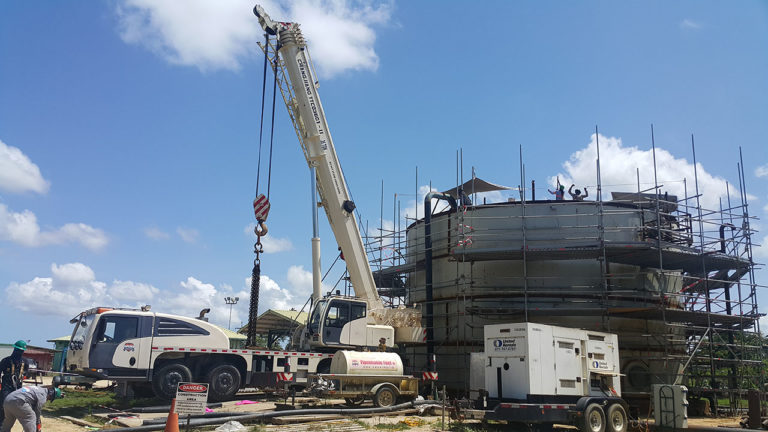
Advantages of Routine Welding Evaluations
Regular examinations play a significant duty in preserving the quality and safety and security of bonded structures, particularly taking into account the usual flaws previously laid out. These assessments give a possibility to identify and rectify issues prior to they rise right into severe problems, making certain architectural stability. By finding defects early, organizations can decrease repair service costs and prevent possible job hold-ups.
Additionally, routine welding inspections improve conformity with industry standards and laws, promoting trust fund among stakeholders. This adherence not just secures the company's track record yet likewise adds to improved security for workers and the public.
Constant evaluations assist in much better training and ability development for welders, as comments from examinations can lead improvements. Eventually, the advantages of normal welding examinations expand past immediate quality control, advertising lasting operational performance and reliability in bonded frameworks.
Ideal Practices for Effective Welding Assessment
Implementing ideal practices in welding inspection is vital for assuring the highest criteria of high quality and safety. Assessors need to visit their website be properly educated and certified, possessing a thorough understanding of welding methods and products. Utilizing innovative examination technologies, such as ultrasonic testing and radiography, boosts the discovery of defects that may not show up to the naked eye. Developing a clear inspection plan, outlining the standards and frequency of assessments, guarantees consistency and thoroughness.

Documenting all findings carefully is essential for traceability and accountability. Regular calibration of inspection equipment guarantees accuracy, while keeping a orderly and clean workspace lowers the risk of contamination. Additionally, promoting open interaction among employee assists in the sharing of understandings and advertises a culture of top quality. By adhering to these best practices, companies can notably enhance their welding quality control processes, eventually leading to safer and more trusted products.
Regularly Asked Questions
What Credentials Are Needed for a Welding Examiner?
A welding examiner normally requires accreditation from recognized companies, such as the American Welding Society (AWS) or the International Institute of Welding (IIW), along with relevant experience and understanding in welding processes and quality standards.
How Typically Should Welding Inspections Be Executed?
Welding examinations should be carried out regularly, normally at various project phases, consisting of before, during, and after welding processes - API 650 Welding Inspection. The frequency typically relies on task specifications, regulatory requirements, and the complexity of the welds involved
What Are the Costs Linked With Welding Assessments?
The expenses connected with welding examinations differ extensively, usually varying from a few hundred to a number of thousand dollars, depending upon elements like examination type, project dimension, and place, influencing overall project spending plans and timelines.
Can Welding Inspections Be Performed Remotely?
Yes, welding evaluations can be carried out remotely making use of advanced technologies such as drones, cameras, and ultrasonic screening. These approaches permit assessors to examine weld stability without being physically present, boosting performance and safety in numerous settings.
Just How Do Inspection Results Influence Project Timelines?
Evaluation results can greatly impact task timelines by determining problems early, leading to essential their website rework or modifications. Delays may happen if inspections expose issues calling for resolution, eventually affecting general task completion and budget adherence.
Welding assessments encompass a variety of approaches developed to review the quality and stability of welds. Usual kinds of welding inspections include aesthetic inspection, which permits for immediate identification of surface irregularities; ultrasonic screening, which uses high-frequency sound waves to detect inner defects; and radiographic testing, using X-rays or gamma rays to disclose weld stability below the surface website link area. Regular evaluations help with much better training and ability growth for welders, as responses from assessments can lead improvements. Executing best techniques in welding inspection is vital for ensuring the greatest criteria of top quality and safety and security. Welding inspections ought to be carried out regularly, generally at different project stages, including before, throughout, and after welding procedures.
Comments on “How API 650 Welding Inspection Helps Prevent Structural Failures and Maintains Durability”